

THE AZORES AND FAIAL
Welcome to the Azores
The Azores are nine volcanic islands in the middle of the Atlantic Ocean, an autonomous region of Portugal. Faial, in the central group, is known as the Blue Island (Ilha Azul) for the hydrangeas that line its roads in summer. It is small enough to explore in a few days and varied enough to keep surprising you: a crater two kilometres wide, a volcano that rose from the sea in 1957, natural pools, and the mountain of Pico filling the horizon across the channel.
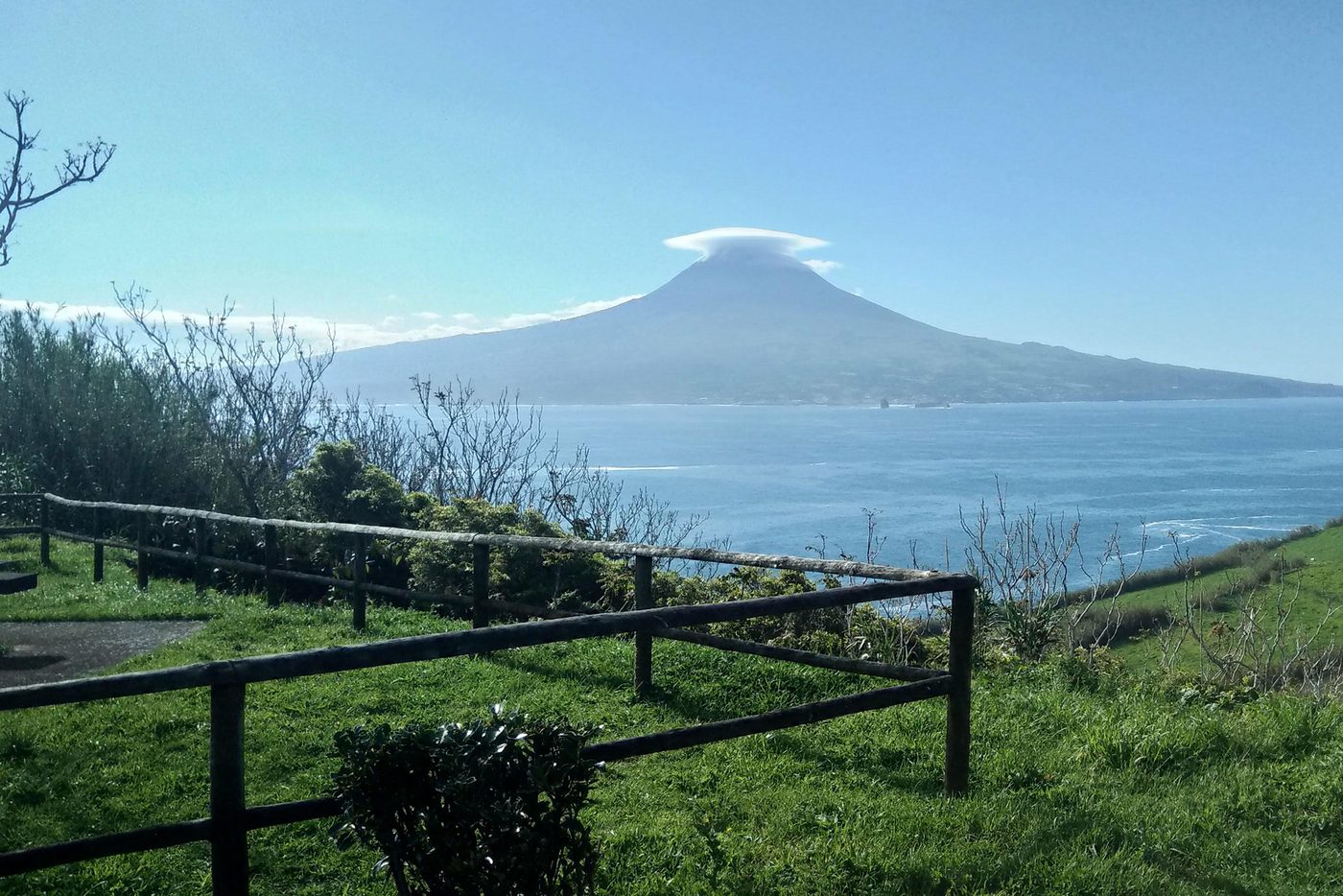
Why stay in Cedros: the sunny side of the island
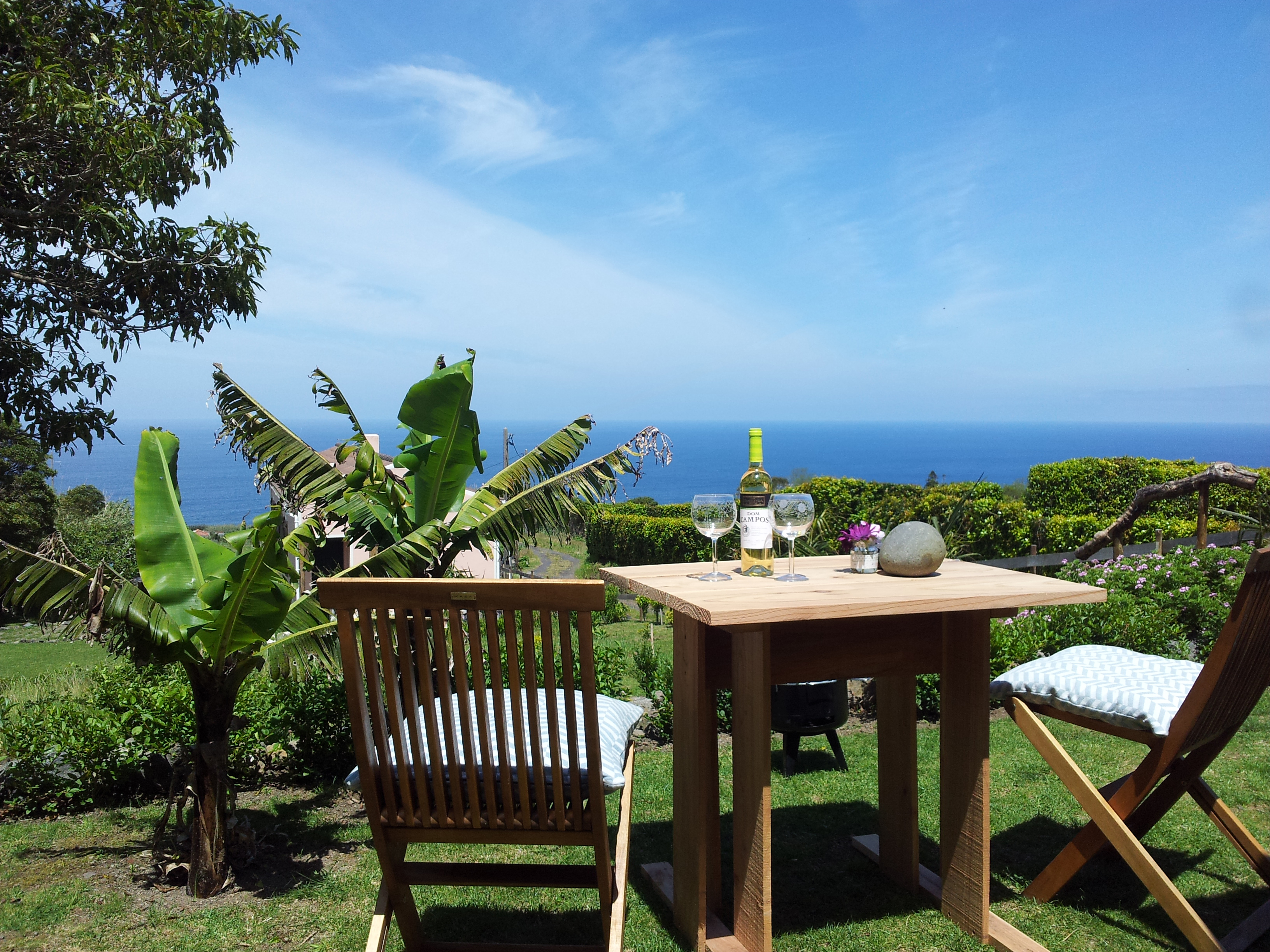
Faial Cottage lies in Cedros, in the north-west of Faial. From here you reach Capelinhos in about 15 minutes by car, Horta in about 20, and the Caldeira in about 25. Evenings are quiet, and in both units you find a map with all the practical information you need to explore and discover the island.
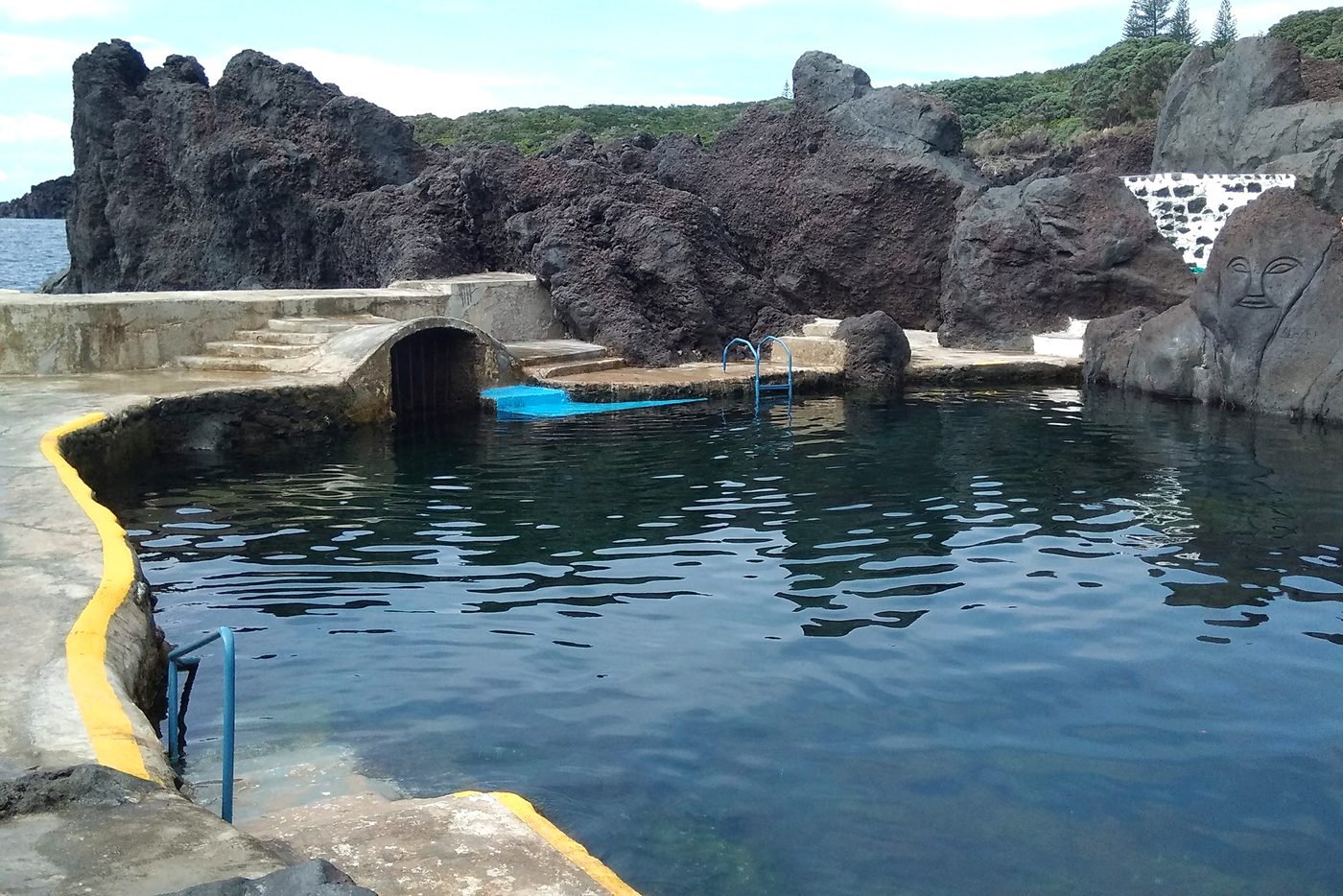
Natural pools, beaches and swimming spots
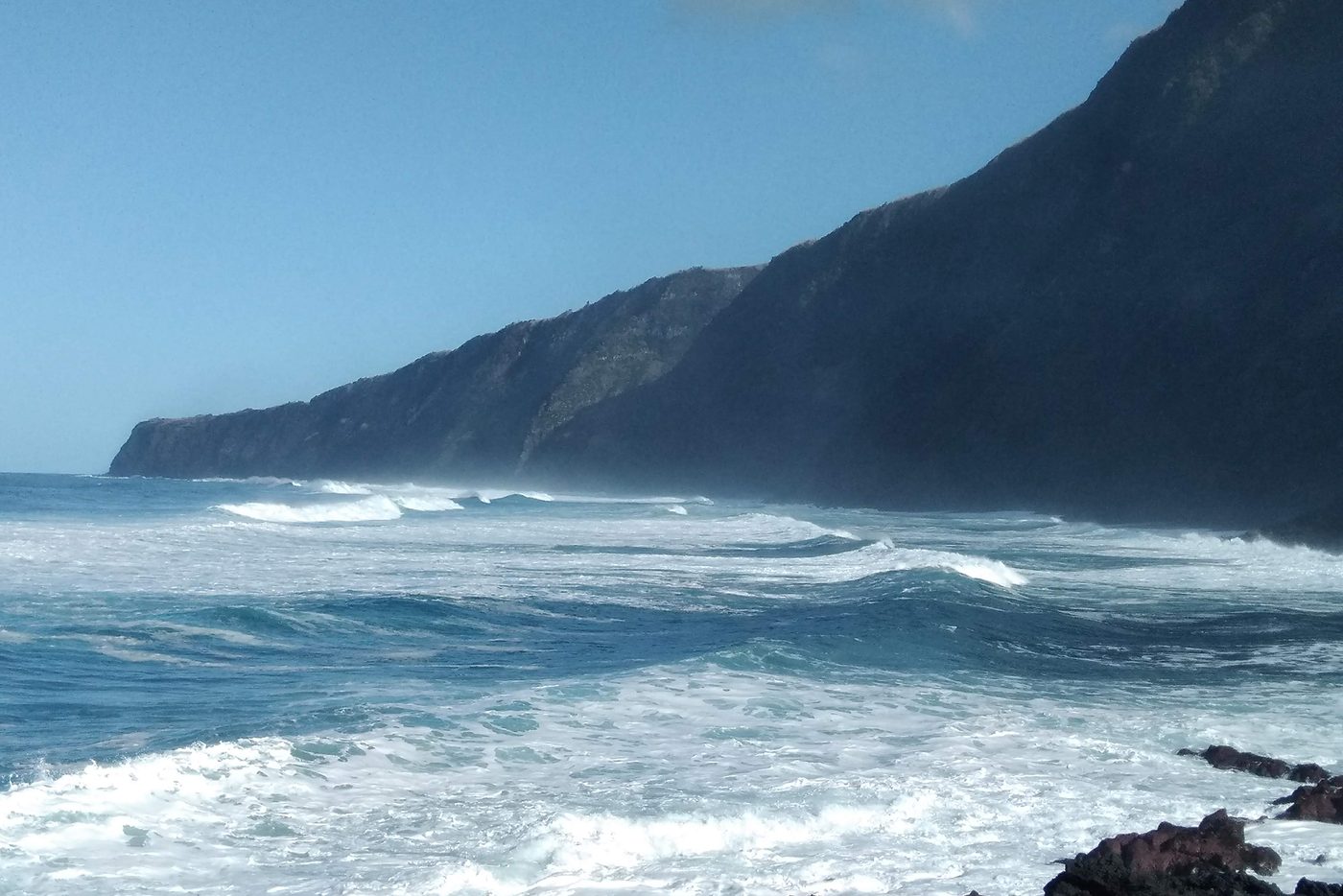
Faial’s coast is volcanic rock rather than sand, so the island swims in natural pools carved into the lava. The Piscinas Naturais do Varadouro in Capelo are the best known, with ladders and platforms. Along the north coast, Porto do Salão and Praia do Norte are good places for a swim or to snorkel when the sea is calm. Some of these spots are not supervised, so always check the sea first.
Hiking: the Caldeira and the trails near Cedros
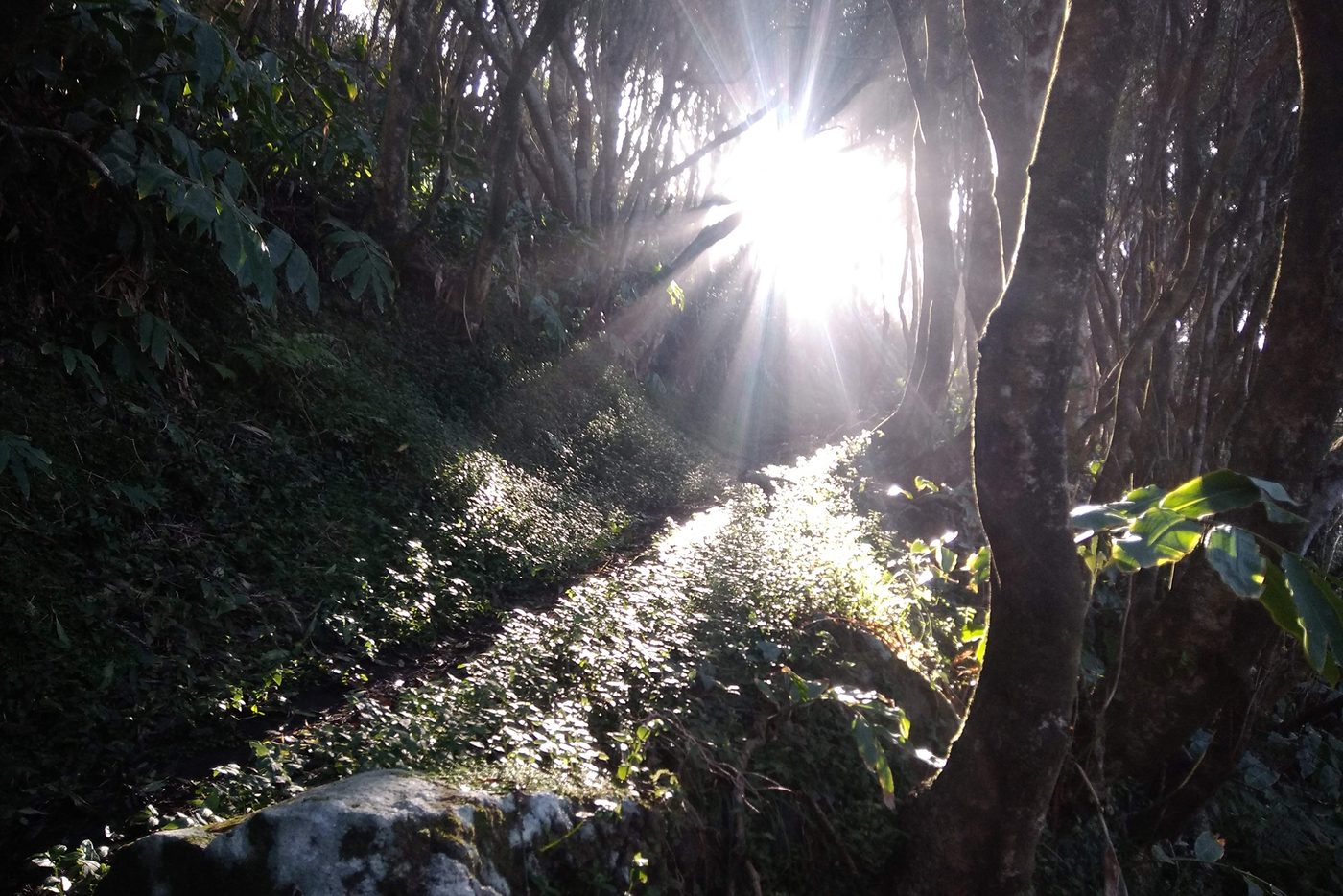
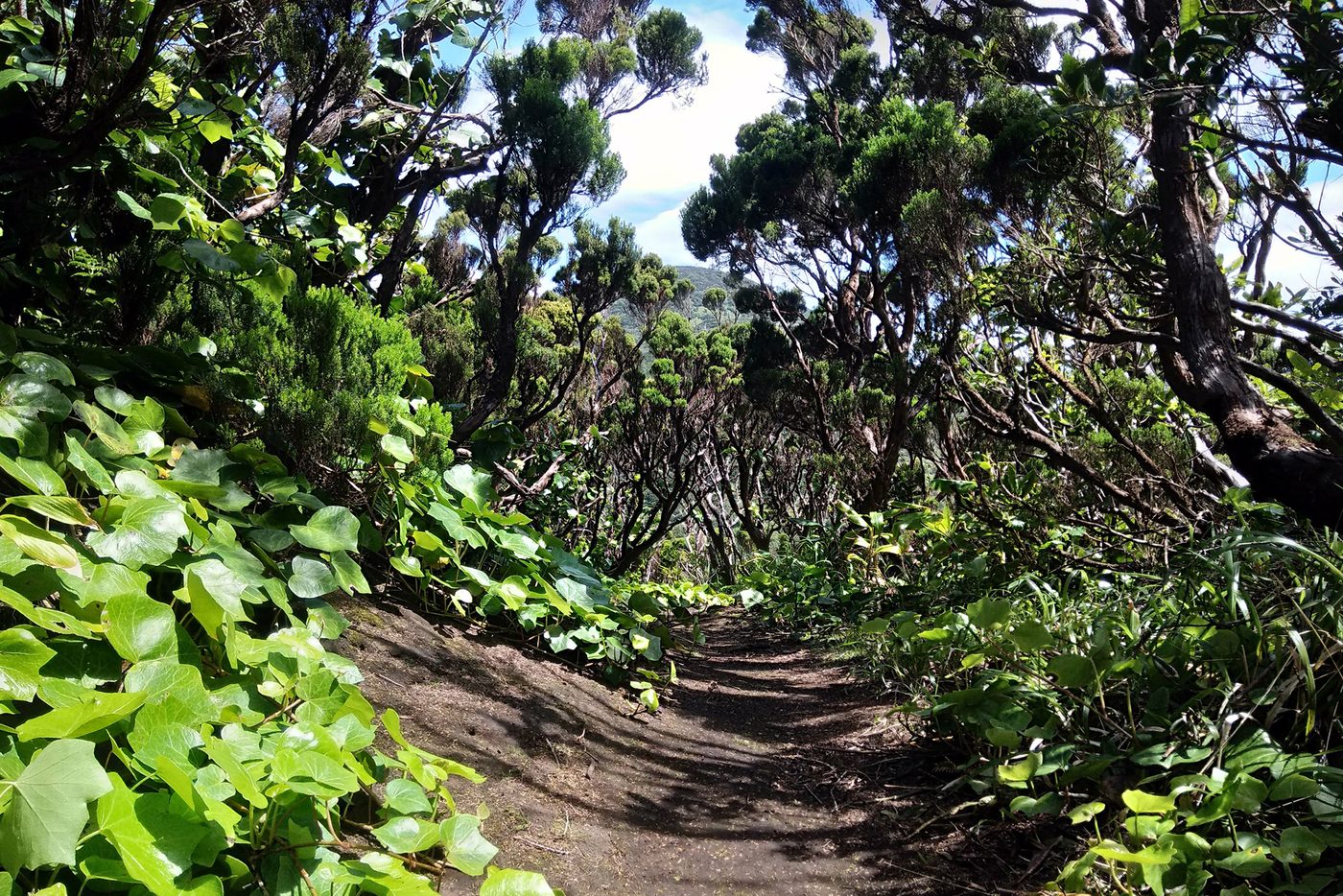
Faial has no giant peaks, but its trails are green and varied. The Caldeira rim walk circles a crater about two kilometres wide and 400 metres deep (Faial Nature Park). It takes roughly two to three hours and on a clear day looks across to Pico. Closer to Cedros, there are the Levadas trail walk and the Whalers’ trail walk, following the north-west coast. Maps and descriptions of all official trails are on the Visit Azores trails website.
Capelinhos and the volcano story
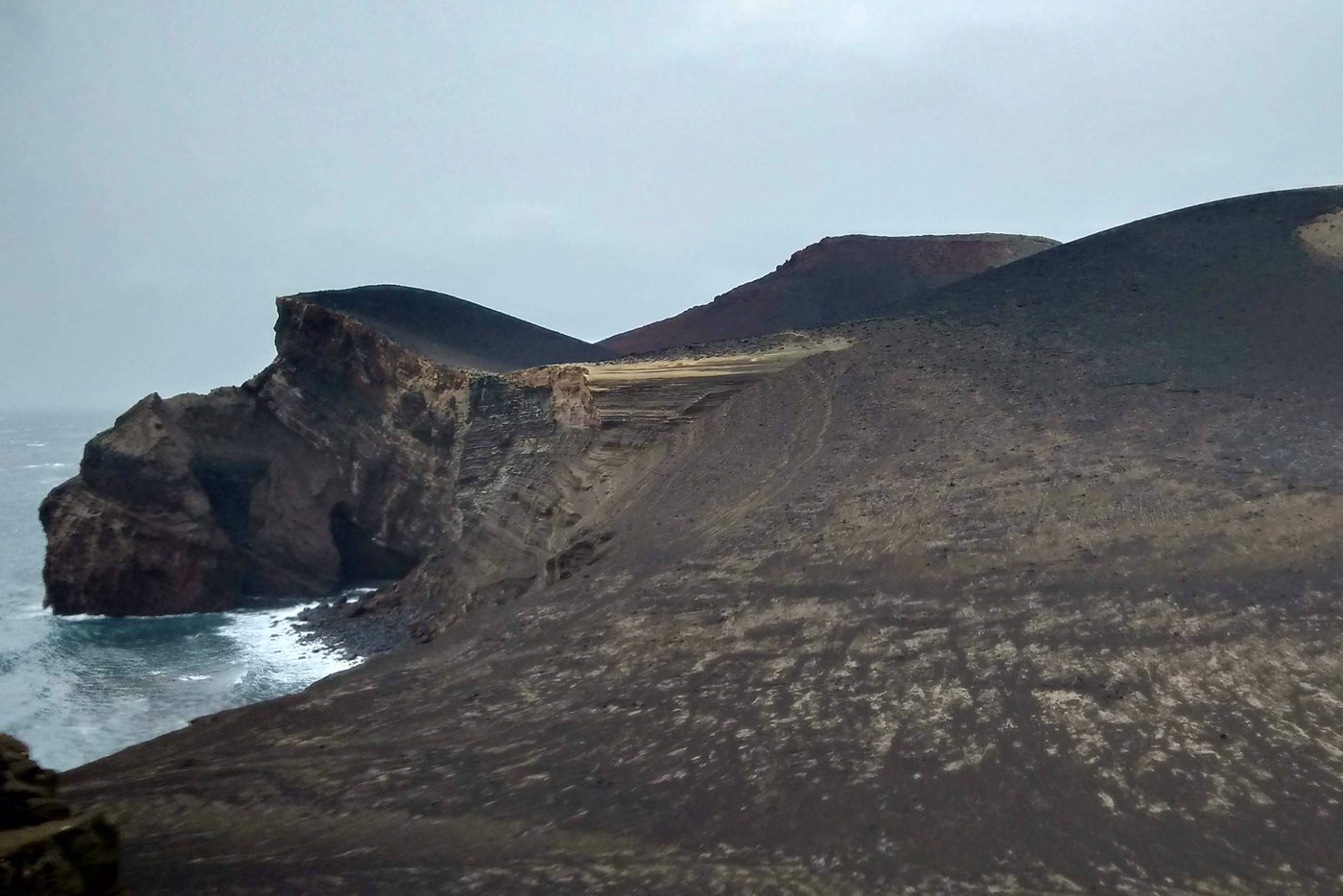
On 27 September 1957 a volcano rose out of the sea off the west tip of Faial. The eruption lasted 13 months, buried villages in ash and added new land to the island. Today the landscape is black, red and unreal. The Capelinhos Volcano Interpretation Centre, built underground, tells the story, and you can climb the old lighthouse for the view. Opening days change, so check before you go.
Horta: marina, murals and Peter Café Sport
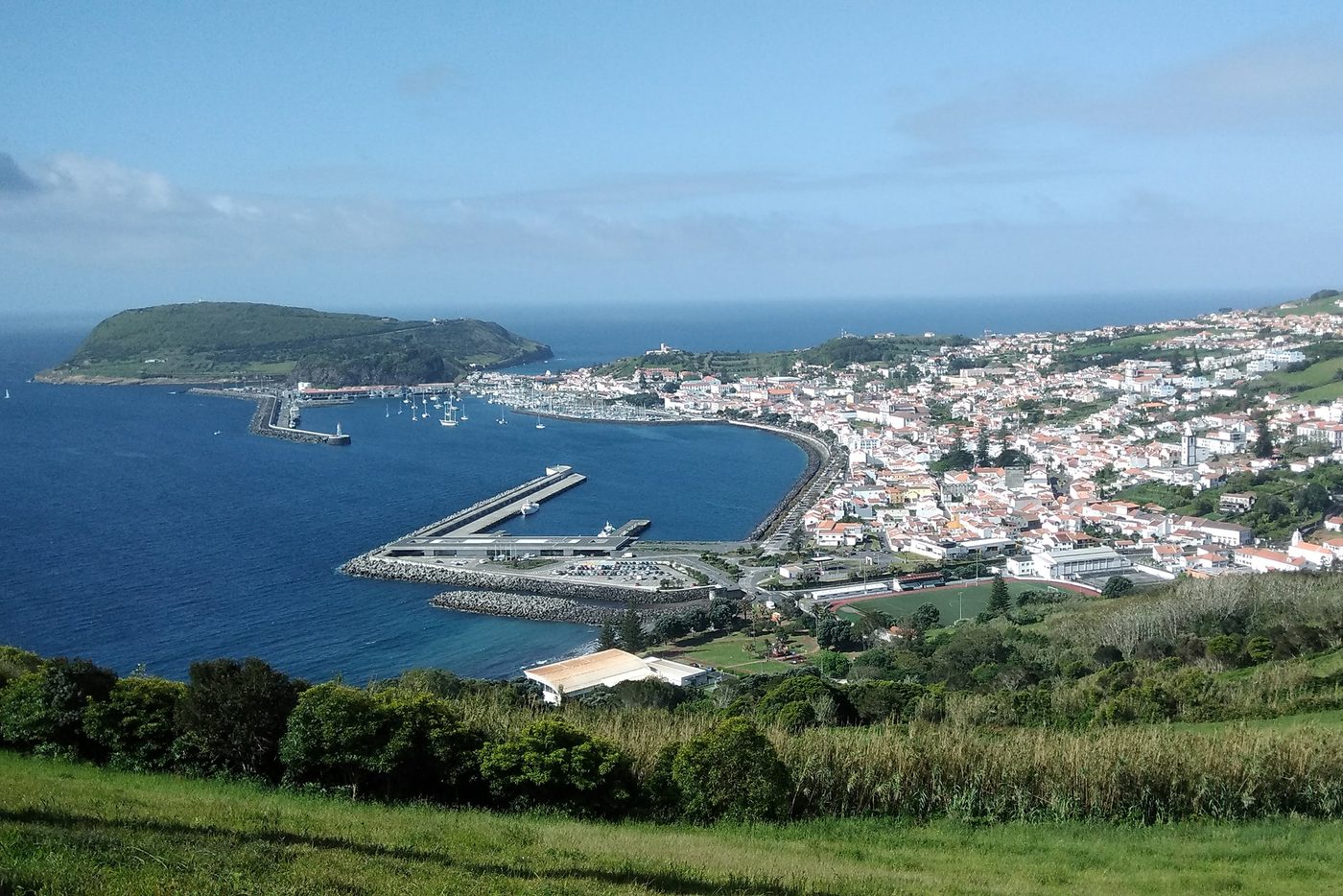
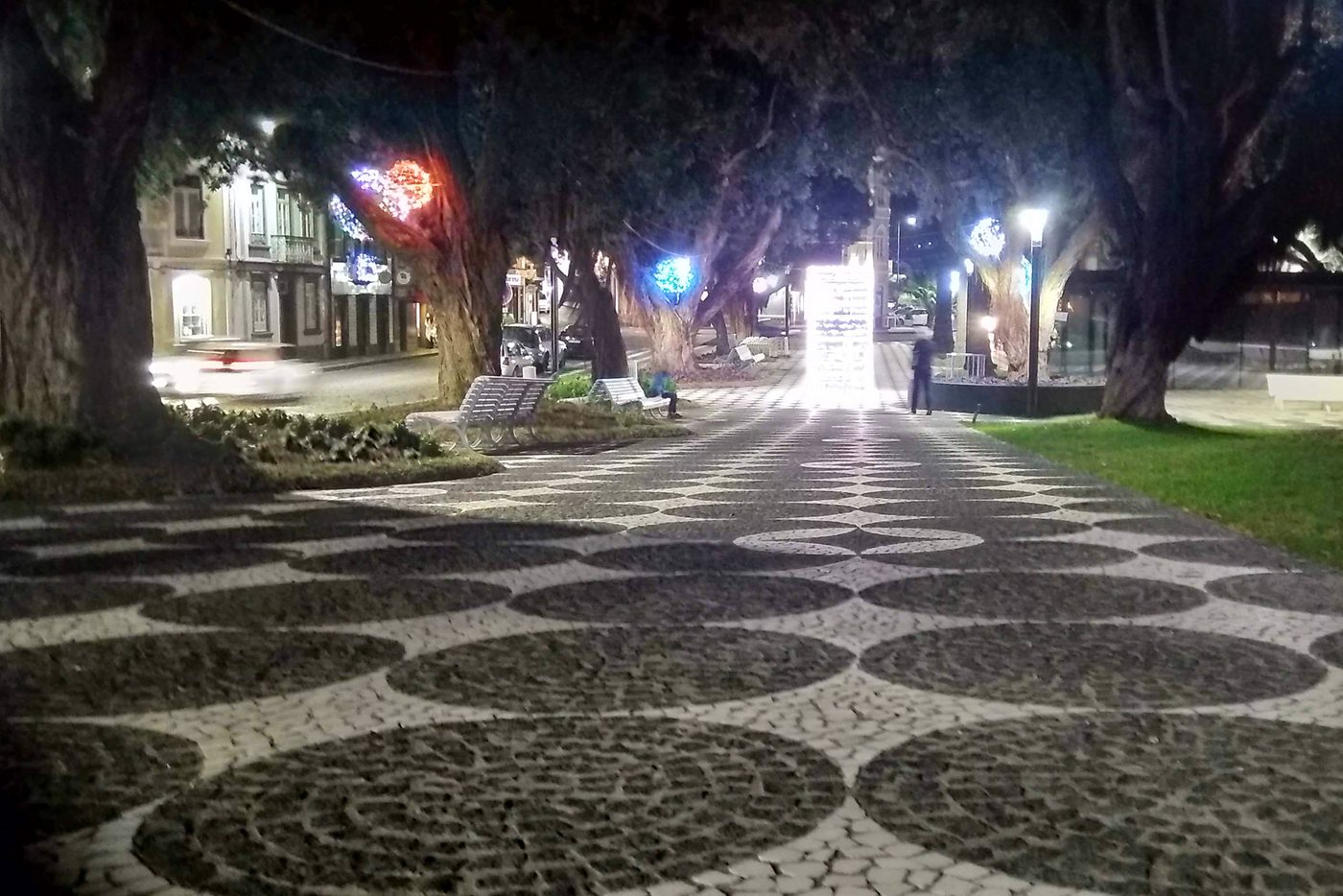
Horta is one of the great stops for sailors crossing the Atlantic, and they paint a mural on the harbour walls for good luck. Walk along the marina, then have a drink at Peter Café Sport or at one of the many local bars, lunchrooms and restaurants. Monte da Guia offers views over the bay.
Whale and dolphin watching
The waters around Faial, Pico and São Jorge are among the best in the world for watching whales and dolphins. The season runs roughly from spring to autumn: spring brings blue, fin and sei whales passing through, and summer is the most reliable time for sperm whales and dolphins. Boats leave from Horta marina, with several reliable and professional companies available. Book ahead in summer.
Day trip: Pico
The ferry from Horta to Madalena on Pico takes about 30 minutes (operated by Atlanticoline). Pico rises to 2,351 metres, the highest point in Portugal. Climbing it needs registration and a booking in advance and is a serious full-day hike, but you can also visit its lava-wall vineyards and the whaling museum in Lajes do Pico.
São Jorge
A long narrow island of high cliffs and coastal lava platforms (fajãs), São Jorge is clearly visible from Faial Island, and is best explored with an overnight stay. By ferry it takes about two hours from Horta, and timetables differ by day.
Local restaurants and cafés near our units
- Tapas-Snackbar Xavier: Portuguese dishes in the village.
- Pizza Roma: Italian pizza.
- Restaurante O Esconderijo: Creative menu with vegetarian/vegan options; booking is advisable.
- Restaurante Pasquinha: Local dishes.
Opening days change, so ask us or check before you go.
Practical information
- Getting here
- Faial has its own airport at Horta (HOR), with flights from Lisbon and from other Azores islands. Many international flights land first in Ponta Delgada or Terceira, and you continue by a short inter-island flight. Check current schedules.
- Best time to visit
- Spring to autumn for whales, and summer for the warmest and steadiest weather and the hydrangeas. Winter is quieter and more changeable, which is interesting for longer, ‘real life’ stays.
- Getting around
- A rental car gives the most freedom and in normal conditions is ‘a must have’. Taxis also serve Faial and there is a bus service as well.
The owner and host of both Faial Cottage B&B and Faial Cottage lives nearby on the same property, and is available for tips, practical information and help during your stay on Faial. Contact us with any question.
SOLAR
POWERED

FAIAL COTTAGE B&B - RRAL nº3127
Copyright © All Rights Reserved
Secure payment with SSL

FAIAL COTTAGE - RRAL nº5074